Free tool · no sign-up
See the tint before it is on your car
Wipe between factory glass and every shade we fit. Turn the night scene on — dark film looks very different at nine in the evening than it does at noon. And because the law is about the window rather than the film, we show you the arithmetic instead of asking you to trust us.
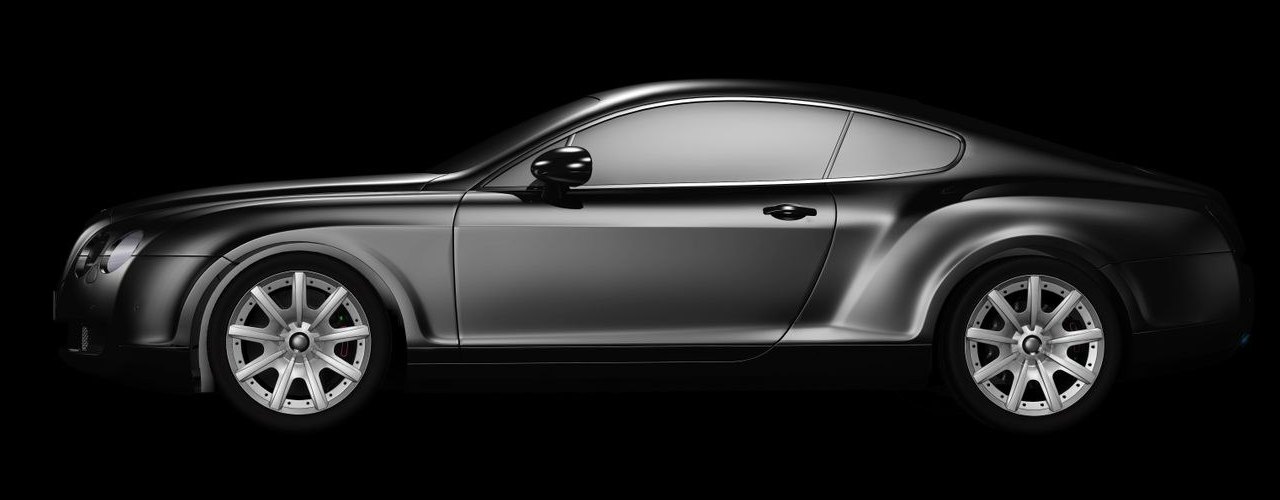


Dark — the popular one.
Standard on front doors and on the rears of most cars.
Is it legal?
There is no minimum light transmission for rear side windows or the rear screen, so any shade is legal back here. The only practical requirement is that you can still see out well enough to drive safely — if the rear screen goes very dark, use your mirrors and reversing camera.
Left factory on this configuration. If you do want the fronts done, the darkest film that still clears the limit on 85% glass is about 83%.
A full windscreen tint cannot meet 75% on 78% laminated glass — you would need a 97% film, which does not exist as a tint. A sun strip above the wiper sweep is the legal option.
Estimate only — the final price is confirmed once we have seen the car. Nothing is charged online.
Dark does not mean cool
Every quality film blocks essentially all UV — that is what stops a dashboard cracking and a trim fading. Heat is different: infra-red rejection depends on the film’s construction, not how dark it looks. A light ceramic film will keep a car cooler than a dark dyed one, which surprises most people.
The first week
Leave the windows shut for three to five days after fitting. Slight haze or small water pockets in that time are the film curing, not a fault — they clear as the moisture works out.
The bit most tint pages skip
Every shop advertises film by its VLT — the percentage of visible light the film lets through. The regulation is not about the film. It is about the window.
film VLT × glass VLT = what the meter reads
70% film × 85% glass = 59.5%
Against a 70% minimum on the front side windows. That is why a “legal 70% film” is not automatically a legal window, and why we meter the glass rather than reading the box.
Windscreen
75% minimum
A sun strip above the wiper sweep is the only film that belongs on a windscreen.
Front side windows
70% minimum
Glass and film combined. On typical factory glass there is very little room to play with.
Everything behind
No limit
Rear side windows and the rear screen can be as dark as you like. This is where privacy actually comes from.
Source: Road Vehicles (Construction and Use) Regulations 1986, regulation 32, as amended. Limits apply to vehicles first used on or after 1 April 1985.
Tint questions
What window tint is legal in the UK?+
For a car first used on or after 1 April 1985, the front windscreen must let at least 75% of light through and the front side windows at least 70%. There is no legal limit on the rear side windows or the rear screen. Cars first used before that date have a 70% limit on both the windscreen and the front sides.
Is that 70% the film or the window?+
The window — glass and film together. This is the part almost everybody gets wrong. Factory glass is typically around 85% VLT before any film goes on it, so a 70% film ends up at roughly 60% through the window and is already illegal on a front door. The previewer on this page does that arithmetic in front of you.
What happens if my tint is too dark?+
The police and DVSA meter the window at the roadside. A car over the limit can be given a prohibition notice — you cannot use it until the film is removed — along with a fine. It is also a problem at MOT and something your insurer will ask about.
Which shade do most people choose?+
20% on the rear side windows and rear screen is the most popular by a distance. 35% is the choice for people who want privacy without the car looking blacked out. 5% limo is dramatic in daylight and genuinely hard to see out of when reversing at night — try the night scene on this page before you decide.
Does darker tint keep the car cooler?+
Not necessarily. Heat rejection comes from the film’s construction, not its shade. A light ceramic film rejects far more infra-red than a dark dyed one. If keeping the cabin cool is the point, pay for ceramic rather than paying for dark.
How long does tinting take?+
Rear windows on most cars take two to three hours. Leave the windows shut for three to five days afterwards while the film cures — slight haze or small water pockets in that period are normal and clear on their own.
Can you remove old tint?+
Yes, and it is a job worth paying for rather than attacking with a scraper. Old film goes brittle and comes off in flakes, and the adhesive left behind needs steaming and solvent. Rear screens also have heating elements printed on the glass that a scraper destroys in seconds.
Tinting is done in Bay 2 at 36 Upper Brook Street, Stockport SK1 3BS. Find us →